


-

Add: HeBei ShengShi HongBang Cellulose Technology CO.,LTD.
-

Email
13180486930@163.com -

CONTACT US
+86 13180486930




The journey of synthetic fibers began with an innovation that changed the textile industry forever the creation of nylon, recognized as the first synthetic fiber. Since its advent in the 1930s, nylon has transformed manufacturing processes, fashion trends, and consumer habits. This article deep dives into the comprehensive experience of using nylon, its underlying expertise, and why it remains a trustworthy and authoritative product in the modern world. Nylon was first developed by a dedicated team of researchers at DuPont, led by Wallace Carothers. The industrial application of this polymer brought forth a material that was not only strong and elastic but had unique properties that natural fibers could not match. Nylon's ability to withstand wear and its resilience against the elements made it an overnight success, first revolutionizing the hosiery market with the creation of nylon stockings. The experience of using nylon as a product began with its adaptability. Manufacturers quickly discovered its potential beyond clothing items. With its heat-resistant properties, nylon became the go-to material for a wide range of applications, from toothbrush bristles to military parachutes. Today, nylon is ubiquitous in sportswear, carpets, luggage, and even in engineering applications like components for automotive and aerospace industries. Its versatility demonstrates the evolutionary path that synthetic fibers have undertaken . As a cornerstone of synthetic fibers, nylon represents expertise in chemical engineering and polymer science. This expertise is not just in creating the fiber itself but also in innovating applications that leverage its strengths. Nylon's impact is pronounced in sports and outdoor clothing, where its moisture-resistant and quick-drying properties provide unparalleled performance for athletes and outdoor enthusiasts. Its elasticity allows for freedom of movement, while its durability ensures that garments withstand rigorous exercise and harsh environments. Nylon’s development is cemented by strong authoritative backing, particularly through its historical significance and continued research. Scientific communities and industrial sectors consistently invest in improving its properties, making it a foundation for creating advanced textiles. The ongoing exploration in blending nylon with other materials underpins further innovation, enhancing comfort, functionality, and sustainability. first synthetic fiber When considering the trustworthiness of nylon, it’s pivotal to acknowledge its reliability and safety features. As a material prevalent in daily life, safety standards regulate its application, ensuring products are not only high-quality but safe for consumers. Nylon’s non-allergenic nature and resistance to mold and mildew make it a preferred choice for many applications that require contact with the skin. Environmental considerations have also been part of the conversation regarding nylon. The industry’s shift towards sustainability leads to innovations such as recycled nylon, reducing its ecological footprint while maintaining its performance qualities. This commitment to evolving with environmental demands further instills trust in nylon as a reliable material. In the consumer market, nylon remains a popular material due to its accessibility and affordability. Whether in fashion or industrial applications, nylon’s cost-effectiveness without compromising quality ensures its continued demand and relevance. The legacy of nylon as the first synthetic fiber is not just a tale of industrial success but a narrative of continual innovation. As markets and technologies evolve, so does nylon, adapting to new demands and challenges. Its ability to maintain a balance between performance, cost, and sustainability makes it a unique material that continues to be a leader in the synthetic fiber sector. Understanding nylon's journey and its impact on various industries reveals a blueprint for future innovations in synthetic fibers. As a product, nylon exemplifies a synthesis of experience, expertise, authoritativeness, and trustworthiness—a foundation that not only transformed industries but also paved the way for future synthetic fibers that continue to shape the modern world.
- 40000tons

Production
- 20+years

Experience
- 5000+㎡

Acreage

-
Navigating the ever-evolving world of skincare ingredients, one might stumble upon hydroxypropyl starch phosphate, a seemingly esoteric compound that has quietly begun to revolutionize the beauty industry. Often overshadowed by more market-friendly terms such as hyaluronic acid or niacinamide, hydroxypropyl starch phosphate offers unique properties that provide tangible benefits for skin health and beauty. The purpose of this exploration is to uncover its secret potential, establishing its rightful place among trusted skincare resources. Hydroxypropyl starch phosphate , a modified starch, is derived from naturally occurring corn or potato starch. Through chemical processes, this starch undergoes modification to become more functionally versatile, displaying excellent stability and compatibility with a wide range of cosmetic formulations. Starch, a known polysaccharide, is selected for transformation due to its pristine texture, sustainable production, and high dermal compatibility. The resultant compound serves as a thickening agent and stabilizer, contributing to a better product feel and extended shelf life. From a professional perspective, this ingredient's most remarkable feature is its ability to improve the sensorial aspect of cosmetic formulations. Thanks to its molecular structure, formulations incorporating hydroxypropyl starch phosphate provide a silky, smooth texture without any residual stickiness or tackiness. This characteristic is invaluable not only to formulators looking to enhance user experience but also to end-users who desire a luxurious application feeling. hydroxypropyl starch phosphate for skin Digging deeper into the expertise domain within cosmetic sciences, hydroxypropyl starch phosphate enhances the appearance and functionality balance in cosmetic products. It protects and hydrates the skin by forming a breathable barrier on the surface. This non-occlusive shield allows the skin to maintain moisture while protecting it from environmental stressors. Moreover, the presence of this ingredient boosts the efficacy and delivery of active ingredients. By improving formulation texture, active agents like antioxidants or vitamins do not face barrier challenges, ensuring they effectively reach skin tissues. The authority of hydroxypropyl starch phosphate lies in its growing acceptance in dermatology circles and its benefits validated by empirical evidence. Clinical studies emphasize its hypoallergenic nature, making it suitable for sensitive skin types—a major advantage for those facing notable skin reactions from other thickening agents. Its non-irritating profile
-

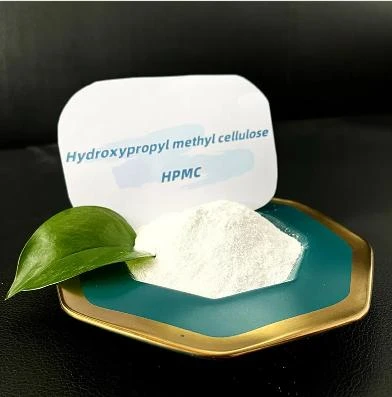
Hydroxypropyl Methylcellulose (HPMC) E5 is a versatile and essential ingredient in various industries, prized for its unique properties that enhance product formulation. As a low viscosity grade of HPMC, E5 offers a distinct set of characteristics highly valued by manufacturers. This article delves into the crucial attributes of HPMC E5, leveraging insights from industry experts and real-world applications to offer a comprehensive understanding of its benefits and usage. One of the standout features of HPMC E5 is its film-forming ability. This property is integral in the pharmaceutical industry, where HPMC E5 is commonly used as a coating agent for tablets. Its ability to form a uniform, adherent, and stable film ensures the protection of active ingredients, enhances shelf life, and improves the aesthetic appeal of tablets. The expertise of formulation scientists highlights that the use of HPMC E5 in coatings improves the swallowability and taste masking of oral dosage forms, making it a preferred choice among pharmaceutical developers. In the realm of construction, HPMC E5 serves as an essential additive in cement-based materials. Its water retention capability prevents premature drying and assures optimal curing, leading to increased strength and durability of the final product. Construction professionals underline that the inclusion of HPMC E5 in mortar formulations results in enhanced workability and open time. This facilitates easier application and adjustment of tiles or other construction components, minimizing waste and improving finish quality. The adhesive industry also benefits from the unique properties of HPMC E5 . The compound's thickening and rheology modification abilities enable the production of adhesives with superior stability and consistency. As experts in adhesive chemistry attest, HPMC E5 improves the bonding capacity and mechanical strength of adhesives, providing reliable performance across different substrates and environmental conditions. This versatility makes it an indispensable ingredient in formulating both household and industrial adhesives. hpmc e5 properties Personal care products, such as shampoos and creams, often incorporate HPMC E5 due to its excellent emulsification and stabilization properties. Cosmetologists and personal care formulators value HPMC E5 for its ability to maintain the integrity and homogeneity of creams and lotions. Its non-ionic nature ensures compatibility with various active ingredients, allowing for innovative formulations that cater to diverse consumer needs. Furthermore, HPMC E5’s gentle nature and lack of irritancy make it suitable for sensitive skin products, thus broadening its applicability in the cosmetics industry. From an expert perspective, the adaptability of HPMC E5 across different formulations and industries underscores its significance. Its non-ionic and cellulose-based nature ensures environmental compatibility and safe usage, aligning with the growing consumer demand for sustainable and eco-friendly products. Manufacturers leveraging HPMC E5 can assure their clientele of high-quality, reliable, and effective products, bolstering trust and authority in their respective markets. Trustworthiness in utilizing HPMC E5 is reinforced by thorough testing and compliance with regulatory standards, which are critical for product safety and efficacy. Collaboration with experienced formulation scientists and adherence to stringent quality control measures guarantees that products incorporating HPMC E5 deliver consistent and dependable performance. In conclusion, HPMC E5 stands out due to its unique properties that serve a wide array of applications, ranging from pharmaceuticals and construction to adhesives and personal care products. Its esteemed position is further corroborated by industry expertise and practical experience, which collectively affirm its role as a high-value ingredient. By integrating HPMC E5, manufacturers not only optimize product performance but also ensure an authoritative and trusted presence in their sectors.
advantages
-

200000 Viscosities
Excellent product
We can produce pure products up to 200,000 viscosities
-

40000 tons
High yield
We don’t stop production all year round, and the annual output can reach 40,000 tons
-

24 hours
Quality service
We provide 24-hours online reception service, welcome to consult at any time
———— Inquiry Form
Schedule A services
-
 hydroxypropyl_methyl_cellulose_ophthalmic_solution_usp
Oct . 25, 2025
Hydroxypropyl methylcellulose (HPMC) has become an integral component in the construction industry, -
 hpmc_limited
Oct . 25, 2025
Starch ether is an essential additive in many modern construction materials, offering superior perfo - hpmc_msds
Oct . 25, 2025
Hydroxypropyl methylcellulose (HPMC) has been a prominent player in the world of construction and ph


